Standard wireless surveys assume standard conditions — this is the opposite. We plan for device density, RF interference, and physical obstruction specific to warehouses, stadiums, and industrial sites, where a generic survey would badly under-forecast what the network actually needs to handle. That means modelling peak load, not average load, since peak is when the network actually gets tested.
We build out the underlying fabric so the network scales by adding devices, not by adding manual configuration — no VLAN sprawl or spanning-tree troubleshooting every time the site grows. That's a different build process to a traditional network, and we handle it end to end, from initial architecture through to the switches and access points that sit on top of it. The payoff shows up months later, when expanding the network doesn't mean re-engineering it.
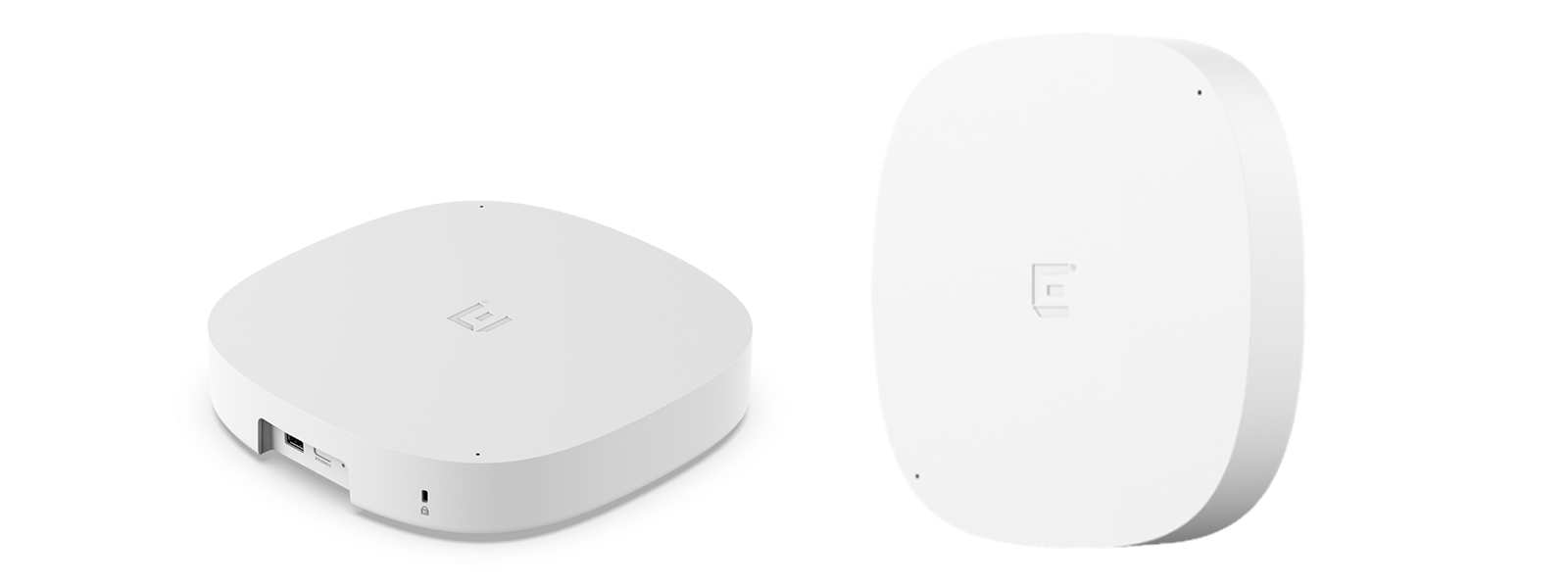
Access points and switching get fitted for the environment they're actually going into — outdoor enclosures, extended temperature ranges, mounting that survives forklift traffic and steel racking, not a standard indoor bracket. We factor that into the design stage, not as a fix after something fails in conditions it was never rated for. It's the difference between hardware that lasts and hardware that needs replacing within a year.
Large or distributed sites get the same centralised visibility as a single office — one dashboard covering every access point, switch, and sensor radio across the site or the estate. That matters more, not less, at scale, since a stadium or warehouse network generates far more worth keeping an eye on than a typical office ever would. We monitor it continuously, not just when something's already gone wrong.
A network that performs fine on an average Tuesday can fall over completely during a sold-out event or a Black Friday rush, so we size for the worst hour of the year, not the average one. That means stress-testing assumptions about device counts, not just trusting a spec sheet's theoretical maximum. It's planning most vendors skip, and it's usually the difference between a smooth event and a network story that makes the news for the wrong reasons.
High-density environments don't get more forgiving once they're live — if anything, the margin for error gets smaller as more devices join the network. Support comes from a team that understands what "high-density" means operationally, not just as a spec sheet term, so an issue during a live event gets treated with the urgency it actually needs.