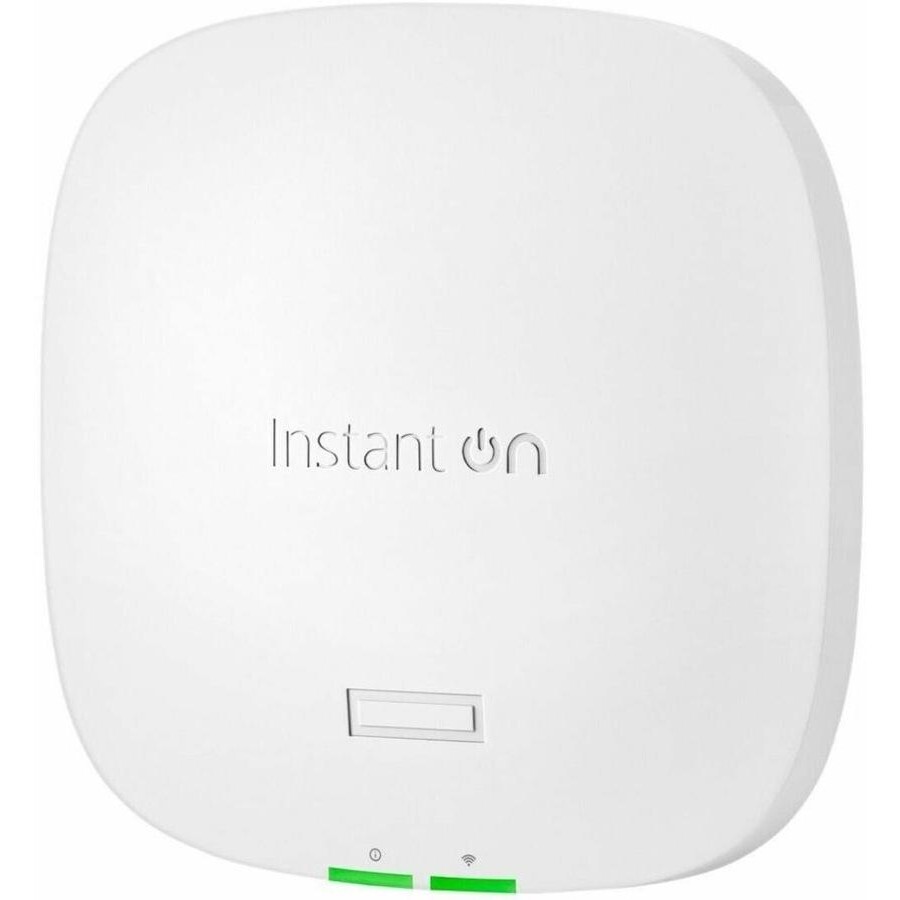
We map coverage against how the space is actually used — stockroom versus shopfloor, open-plan office versus meeting rooms — rather than defaulting to one access point per room regardless of what's underneath it. Where the environment calls for it, that means a proper site survey, not just a floor plan guess. The result is consistent signal exactly where people and devices need it, without paying for coverage nobody uses.
Switches and access points arrive pre-configured to your network settings, so install day is about mounting hardware and confirming coverage, not building the network from scratch on site. We schedule work around trading hours where it matters — a retail site doesn't need its Wi-Fi rebuilt during a Saturday rush. Everything is tested and confirmed live before we leave, not left for you to discover problems with on Monday morning.
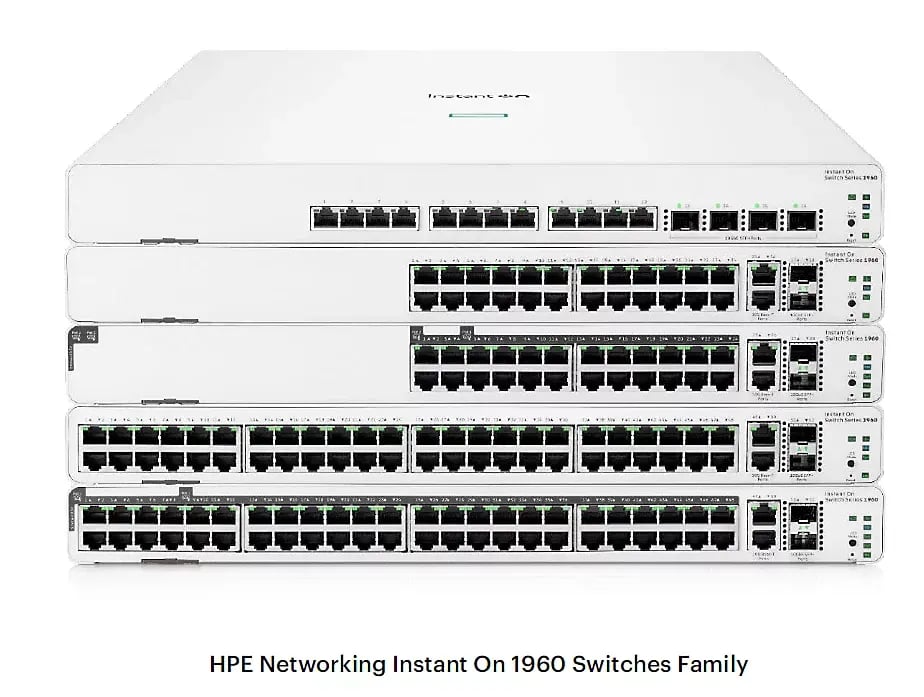
Access points and switches only work where there's power and data to reach them, so cable runs and PoE budgets get planned as part of the design, not as an afterthought once the hardware's already ordered. That includes checking existing cabling can actually carry the PoE load a modern AP needs, not just assuming an old run will do. Where new cabling is required, we manage that as part of the same project instead of handing you off to a separate contractor.
Every Instant On site — one store or fifty — reports into the same cloud dashboard, so there's no need for local IT staff or a site visit just to check what's happening at a location. Configuration changes, firmware updates, and health monitoring roll out centrally, which matters most for retail groups and multi-site businesses adding new locations regularly. New sites can be largely provisioned before anyone even opens the box on site.
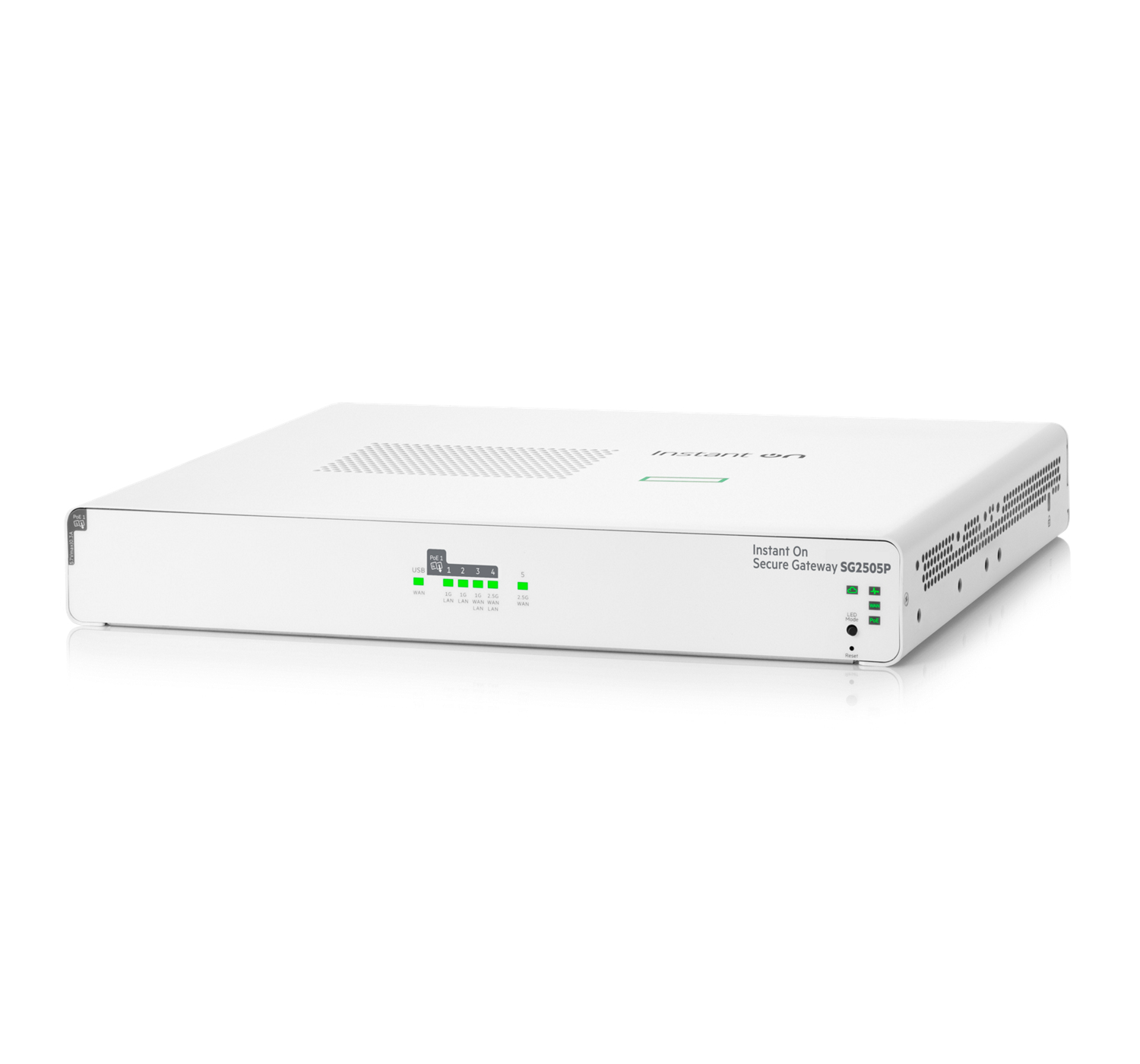
A lot of small sites are still running whatever router their internet provider bundled in — fine for a single desk, not fine for a business handling EFTPOS, security cameras, and guest Wi-Fi on the same connection. We replace that with proper business-grade gateways and switching, configured for the way the site actually operates. It's usually the single biggest reliability improvement we make on a first visit.
We monitor the network after go-live, not just during the install, so a dropped access point or a failing switch port gets flagged — and, where possible, fixed remotely — before anyone on site notices. That's the difference between a five-minute fix and a half-day outage while someone tries to work out what's wrong. Support is ongoing, not a one-off project that ends the day the hardware's mounted.