
Network Infrastructure and Managed IT That Keeps Patient Care Running
Concrete and plasterboard that swallow a WiFi signal room to room. A patient record system that can't afford to go down mid-consult. Shared equipment — monitors, mobile carts, diagnostic devices — that's supposed to be in one place and never quite is. In a medical centre, network reliability isn't a convenience, it's tied directly to patient record access and the pace of care.
Clinic Connectivity Is Part of Patient Care, Not a Support Function.
Network reliability in a medical centre used to be an admin concern, something that lived quietly behind reception. Today it's tied directly to patient record access, appointment systems, and the pace care can actually be delivered at. When the network drops, so does the ability to treat the next patient on time.
We manage clinic network, device, and IT infrastructure with the same discipline as any clinical system, because that's what it's become. Not background IT, a direct input into patient care.
Wireless design that accounts for the building materials and device density typical of clinical environments, from concrete floors to shielded rooms.
We run an on-site survey rather than a generic design, so treatment rooms with concrete walls or shielded equipment still get reliable coverage where staff actually need it.
Mobile devices for admin and clinical staff, supplied, configured, and supported end-to-end.
Devices arrive configured and ready to use, so reception and clinical staff aren't waiting on IT to get set up. Ongoing support means a faulty device is replaced quickly, rather than becoming a workaround someone has to live with for weeks.
Asset tracking for shared equipment, so wheelchairs, monitors, and mobile carts are findable rather than missing.
Shared equipment has a habit of migrating between wards or rooms over the course of a day, and RFID tracking means staff can locate it in seconds rather than walking the building. That's time back with patients, not spent hunting for a monitor.
Patient wristband and label printing, supported as part of the same relationship covering your network and devices.
We supply and maintain the printers themselves, so a jammed wristband printer at admissions is a quick fix rather than a delay that backs up reception. Consumables and servicing are covered under the same relationship as the rest of your infrastructure.
Managed IT support backed by our Microsoft Partner status, covering day-to-day systems and practice management software integration.
That includes user accounts, permissions, and day-to-day troubleshooting across your Microsoft 365 environment, handled by a certified team rather than a generalist provider learning your systems on the job.
Backup and cybersecurity through Acronis Cyber Protect, protecting patient data with active security, not just scheduled backups.
We test recovery as well as scheduling it, so patient record access isn't a question mark during an outage or an incident. For healthcare specifically, that tested recovery process is as important as the backup itself.
Capability Spotlight
RFID Solutions
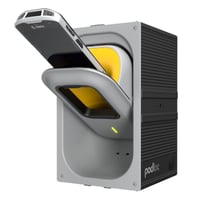
Asset tracking so shared equipment is findable, not missing. Wheelchairs, monitors, and mobile carts have a habit of migrating between wards over the course of a day. RFID tracking means staff can locate what they need in seconds rather than walking the building looking for it, freeing up time that's better spent with patients.
Managed Services
Microsoft Partner-backed IT support and Acronis-protected patient data. Patient record access can't afford to be a question mark during an outage, which is why backup and recovery are tested, not just scheduled. Combined with Microsoft 365 support certified to Microsoft's own standards, this is day-to-day reliability built around how a clinic actually operates.
Enterprise Mobility
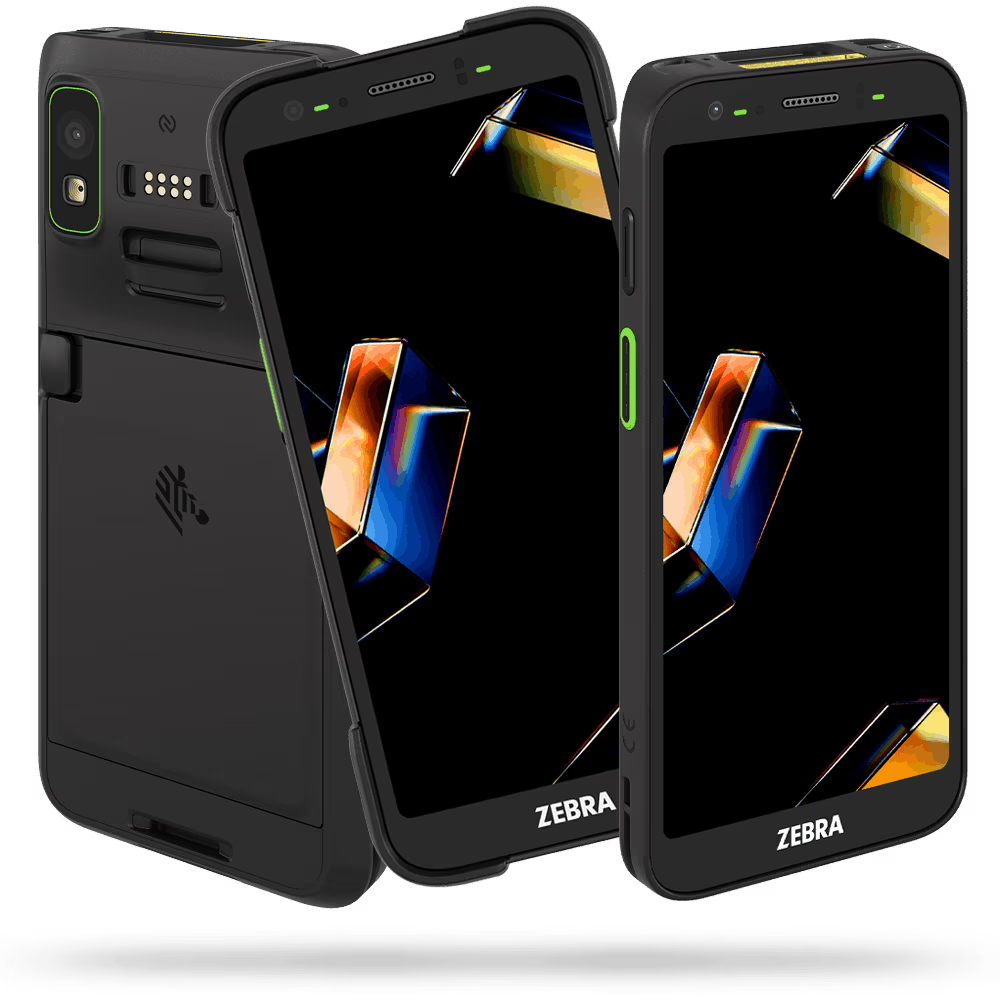
Mobile devices for admin and clinical staff. Devices arrive configured and ready to use, so staff aren't waiting on IT to get set up, and ongoing support means a faulty device gets replaced quickly rather than becoming a workaround someone has to live with. It's device management built around clinical workflow, not generic corporate IT.
Can your network design account for our building's construction?
Yes — clinical buildings (concrete, plasterboard, shielded rooms) get a proper on-site survey rather than a generic design.
Do you support integration with practice management software?
In most cases yes. Talk to us about your current systems and we'll confirm.
Can you track shared equipment across the clinic?
Yes, through RFID-based asset tracking built for exactly this use case.
How is patient data backed up and protected?
Through Acronis Cyber Protect, covering both backup and active cybersecurity, backed by our Microsoft Partner-certified managed services team.